The right commercial gate comes down to a handful of decisions: the job the gate has to do, the type that suits your site, how much traffic it will handle, the access control behind it, and how it holds up to daily use. Get those right and the gate quietly does its work for years… get them wrong and you are looking at breakdowns, security gaps and a gate that never quite fits.
This guide walks a Melbourne business through each decision so you can brief it properly and choose with confidence. If you already know what you need, our commercial gates page is the place to start.
Start with the job the gate has to do
Before you look at gate types, get clear on what the gate is actually for. A gate that keeps a site secure after hours has different priorities to one that manages a steady stream of staff and delivery vehicles through the day. Some businesses need to control exactly who comes in and when; others mainly want to present a tidy, professional frontage while keeping the yard closed. Most commercial sites want a mix of all of these, but the order of priority shapes every choice that follows, so it is worth pinning down first.
Match the gate type to your site
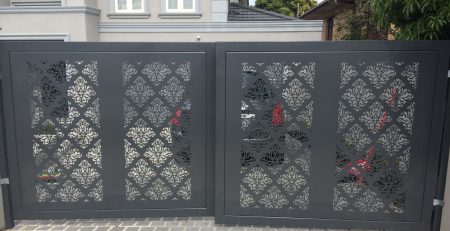
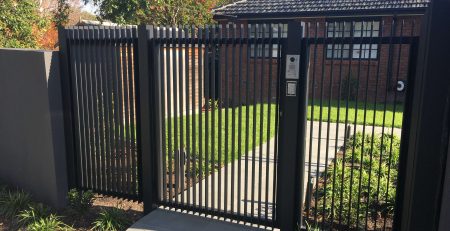
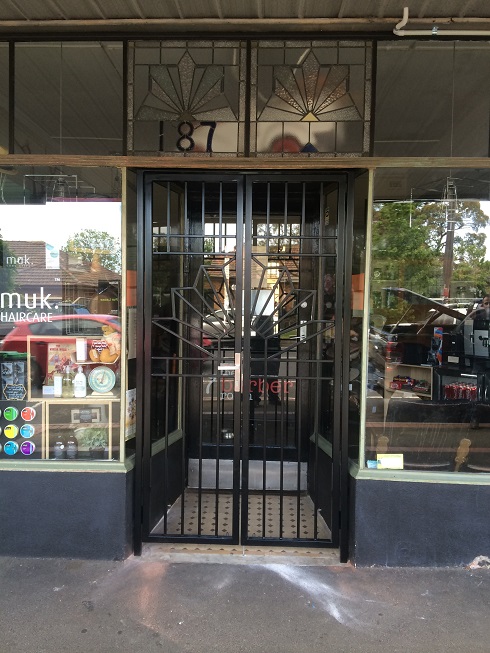
The single biggest decision is the gate style, and it’s driven by your site more than your preference. A sliding gate runs along a track beside the opening, so it suits a narrow frontage, a busy entrance or anywhere there is no room for a gate to swing. A swing gate needs clear space to open but can be simpler where the entrance is wide and the traffic lighter. For very wide openings or tight boundaries, telescopic or cantilever options come into play. The right answer depends on your frontage, your driveway and how vehicles move on and off the site. Our sliding and swinging gates cover the two most common commercial setups.
Size the automation for real-world traffic
A commercial gate works far harder than a home gate, and the motor has to be rated for it. Automation is built around a duty cycle, which is how many times the gate can open and close in a given period before it needs to rest. A gate cycling all day at a busy site needs a heavier-duty motor than one that opens a handful of times, and undersizing it is the fastest way to early failure.
Plan for the power going out too: battery backup keeps the gate working through short outages, and you can set the gate to fail safe or fail secure depending on whether access or security matters more when the power drops. Our automatic gate is matched to how hard the gate will actually work.
Build in the right access control
A commercial gate is only as good as the system deciding who gets through it. Options range from simple remote fobs and keypads to intercoms, phone and app control, and number-plate recognition that opens the gate for known vehicles automatically. Many sites tie the gate into an existing security or building-access system so one credential works across the site. The right setup depends on who needs to get in, how often, and how much you want to manage it, so map out your users before you settle on the hardware.
Don’t overlook security, safety and compliance
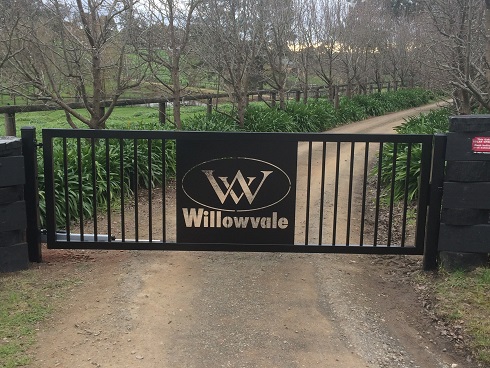
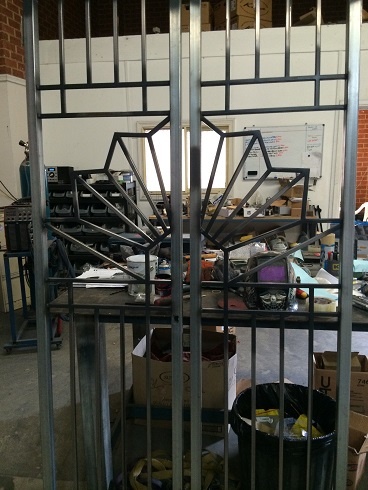
A powered gate on a commercial site is a duty-of-care item, not just a piece of hardware. Safety sensors stop or reverse the gate if a person or vehicle is in the way, and crush points need guarding so the gate is safe around staff, customers and the public. Where security is the priority, a heavier build and a solid infill make the gate harder to force or climb. Getting this right protects the people around the gate and the business behind it, so treat safety as part of the specification rather than an add-on. Our security gates are built for sites where protection comes first.
Plan for maintenance and durability
A gate that runs all day needs to be built to last and serviced to stay reliable. Quality steel or aluminium, powder-coated for the weather, holds up to constant use and Melbourne’s conditions far better than a lightweight build. Regular servicing keeps the motor, tracks and safety systems working and heads off the breakdowns that leave a site open or a driveway blocked. For a business, gate downtime is not just an inconvenience; it can hold up deliveries, staff and customers, so durability and a service plan pay for themselves.
Getting a commercial gate built in Melbourne
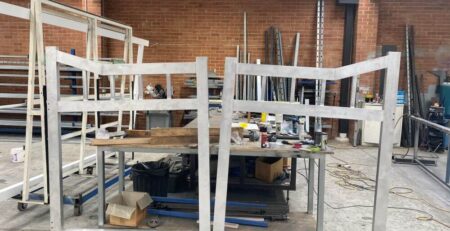
Because every commercial site is different, a commercial gate is a custom build rather than an off-the-shelf product. It starts with a site assessment to look at the opening, the traffic and the access, followed by a design and measure, then fabrication, installation and automation set up and tested before handover. The more you can share about how your site runs, the better the finished gate will fit it. The best place to start is a conversation about your property – get in touch and we can work through it.
Talk to Modern Gates about your commercial gate
If a commercial gate is on your list, we can help you choose the right type, automation and access control for your site and budget. Call Modern Gates Melbourne on 0409 257 535 or visit our commercial gates page to get started.